Roy Keane Facts: Boxing, Rejections, and Man Utd Domination
Roy Maurice Keane. The name alone evokes images of fierce determination, unyielding leadership, and an uncompromising will to win. Born on August 10, 1971, in the vibrant city of Cork, Ireland, Keane’s journey from humble beginnings to becoming one of football’s most iconic figures is a testament to his unique character. His career is a rich tapestry woven with tales of sporting prowess, notable rejections, moments of unparalleled Manchester United domination, and a surprising early foray into the boxing ring. This article delves into the definitive facts about Roy Keane, exploring the defining moments that shaped a true legend of the beautiful game.
The Formative Years: From Cork's Streets to Boxing Rings
The foundations of Roy Keane’s legendary tenacity were laid in the working-class neighbourhoods of Cork. His early life was instrumental in forging the steely resolve that would define his professional career. His father, Maurice, worked tirelessly across various demanding roles, including at a local knitwear company and Murphy's Irish Stout brewery, instilling in young Roy a strong work ethic. Football was not just a pastime but a profound passion within the Keane household, deeply influencing his early interest in the sport.
However, Keane’s competitive spirit first truly ignited outside the football pitch. At the tender age of nine, he discovered boxing, a sport that perhaps mirrored the confrontational nature he would later display on the pitch. He proved a natural, winning all four of his novice league bouts, showcasing a competitive fire that was already undeniable. This early experience in the boxing ring undoubtedly contributed to his fearless approach and ability to stand his ground in any confrontation.
His football journey officially began at Rockmount AFC, where his talent quickly shone through, earning him the "Player of the Year" award in his very first season. Yet, despite his clear aptitude, Keane’s path was not without its hurdles. A significant early setback came with his rejection from the Irish U15 national team after a trial in Dublin. This moment of rejection, rather than deterring him, likely fuelled his immense drive and resilience, pushing him to prove his doubters wrong.
His professional football career truly commenced in 1989 when he signed with Cobh Ramblers, a semi-professional Irish club. It wasn't long before he made his mark, scoring his first professional goal against Sheffield United and solidifying his place as a regular starter by 1991. This rapid ascent caught the eye of English clubs, leading to his move to Nottingham Forest in 1990, where he spent three pivotal years. During his time at Forest, he made a significant impact, notably scoring three goals during their run to the 1991 FA Cup Final, a clear sign of his burgeoning talent on a bigger stage. For a deeper dive into his early challenges and triumphs, read more in
Roy Keane's Epic Journey: Early Life, Man Utd Glory & Beyond.
The Manchester United Empire: Captaincy, Trophies, and Unrivalled Dominance
The summer of 1993 marked a watershed moment in Roy Keane's career and for English football. His transfer to Manchester United heralded the beginning of an era of unprecedented success, not just for him but for the club. It was at Old Trafford that Keane would transcend mere talent to become a true legend, transforming into arguably the most influential captain in the club's illustrious history.
His leadership mantle was officially passed to him in 1997, following the unexpected retirement of the enigmatic Eric Cantona. Keane embraced the captaincy with characteristic intensity, becoming the heartbeat of Sir Alex Ferguson's formidable side. He wasn't just a player; he was the team's conscience, its engine, and its fiery soul. His standards were relentlessly high, and he demanded nothing less than absolute commitment from every player who shared the pitch with him. This unwavering expectation often manifested in powerful dressing room speeches and fierce on-field admonishments, all aimed at pushing United to victory.
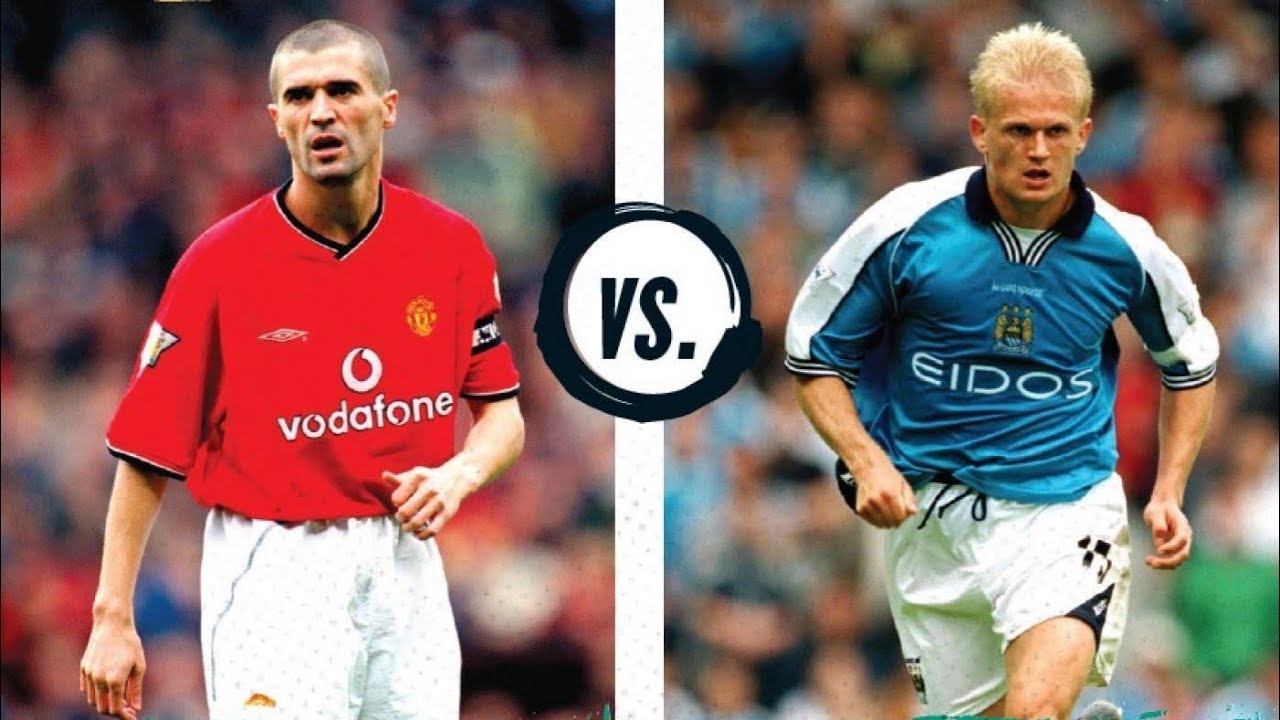
Even injuries could not dim his influence. During the 1997-98 season, Keane suffered a severe cruciate ligament injury in a challenge with Leeds United's Alfie Haaland. Despite missing most of the season, his presence in the dressing room and his determination during recovery served as a powerful motivator. Upon his return, he was more dominant than ever, culminating in perhaps his most iconic performance in the 1999 Champions League semi-final against Juventus. Down 2-0 early in the second leg, Keane scored a crucial header, despite knowing he was one yellow card away from missing the final. He then inspired an epic comeback, leading United to a 3-2 victory and eventually the UEFA Champions League trophy – a defining moment in their historic treble-winning season.
Under Keane’s formidable leadership, Manchester United secured an astonishing seven Premier League championships, alongside numerous other domestic and international honours. His ability to control the midfield, break up play, and drive his team forward made him irreplaceable. His unique brand of fierce leadership is further explored in
Unpacking Roy Keane's Fierce Leadership and Legendary Career.
Beyond the Pitch: International Stints, Controversies, and Post-Playing Career
Roy Keane's international career with the Republic of Ireland was as dedicated as it was often tumultuous. He represented his country with pride and passion, leading them through significant campaigns. However, it was also marked by one of football's most dramatic sagas: the Saipan incident during the 2002 World Cup, where his public fallout with manager Mick McCarthy made headlines across the globe. This event underscored Keane's uncompromising nature and his willingness to stand by his principles, no matter the cost.
After hanging up his boots, Keane transitioned into management, taking the helm at Sunderland in 2006. He guided the Black Cats to promotion to the Premier League in his first season, demonstrating an immediate impact that reflected his leadership qualities. He later had stints as manager of Ipswich Town and served as assistant manager for the Republic of Ireland national team, Aston Villa, and Nottingham Forest. These roles allowed him to impart his vast football knowledge, albeit often with the same intense scrutiny he applied to himself as a player.
In more recent years, Roy Keane has become a prominent and highly respected studio analyst. His candid, no-nonsense commentary has made him a fan favourite, as he continues to influence the sport he loves, offering incisive opinions on everything from tactical breakdowns to the mentality of modern players. His debates with fellow pundits, such as Gary Neville, are often legendary, showcasing that his passionate engagement with football remains as strong as ever.
Practical Insight for Aspiring Leaders: Roy Keane’s career highlights the power of unyielding high standards. While his methods were often blunt, his absolute commitment to excellence fostered a winning mentality. Aspiring leaders can learn from his refusal to accept mediocrity and his ability to demand the best from those around him, albeit perhaps with a more tempered approach in certain contexts. His resilience after injuries and rejections also serves as a potent reminder that setbacks can be powerful catalysts for future success.
Keane's Enduring Legacy: A Football Icon
Roy Keane's impact on football is indelible. He transcended the role of a mere footballer to become a symbol of competitive fire, unwavering dedication, and uncompromising leadership. His unique blend of formidable skill, raw passion, and an often-abrasive approach made him one of the most compelling figures in the sport's history. From his early boxing triumphs to leading Manchester United to unprecedented glory, every chapter of his life has reinforced his image as a man defined by strength and conviction.
Even today, years after his retirement from playing, Roy Keane continues to captivate audiences. His authenticity, his sharp wit, and his continued willingness to speak his mind, whether as a pundit or in interviews, ensure his relevance. He remains a benchmark for what it means to be a truly dominant midfielder and a transformative captain. The memory of his on-field battles, his rallying cries, and his sheer will to win solidify his status as a football icon whose legacy will resonate for generations to come.
In conclusion, Roy Keane’s journey is a powerful narrative of ambition, resilience, and unparalleled success. His early boxing prowess hinted at the formidable competitor he would become, while the rejections he faced only hardened his resolve. His time at Manchester United defined an era, marked by his fierce captaincy and an insatiable hunger for trophies. From the heart of Cork to the global stage, Roy Keane carved out a legacy as one of football's most compelling and unforgettable figures, a true legend whose influence continues to shape the sport.