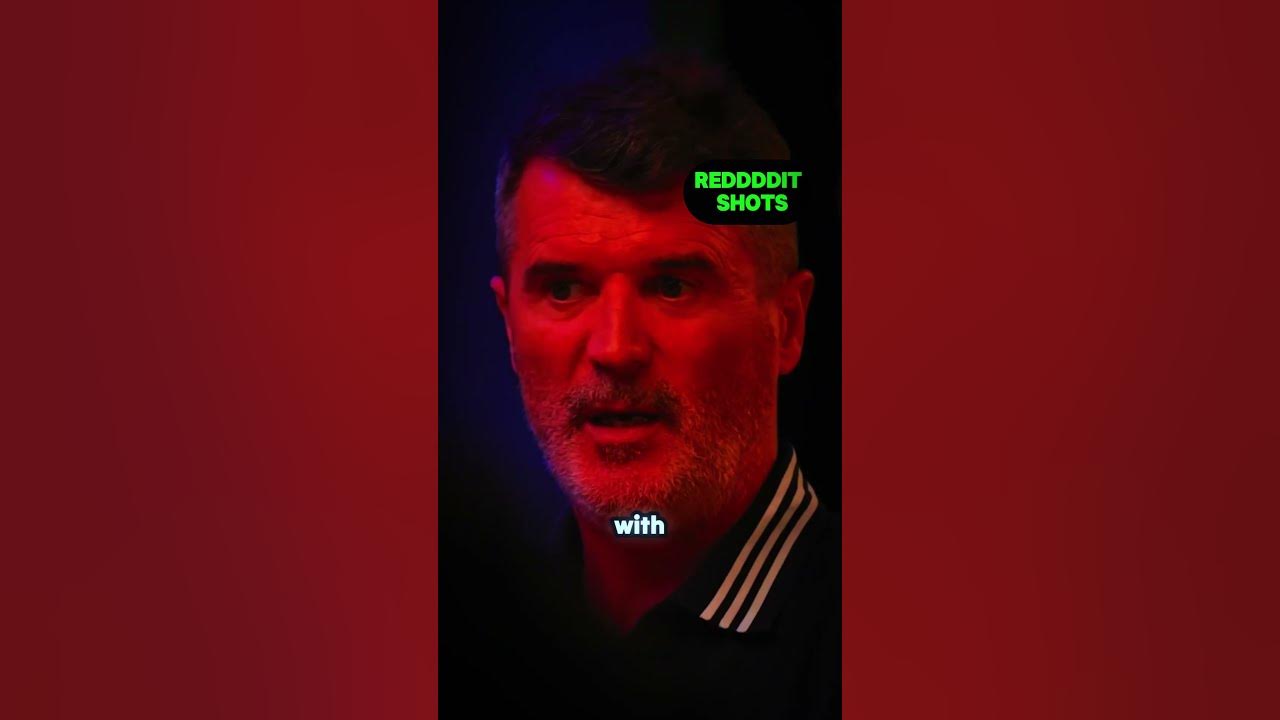
Unpacking Roy Keane's Fierce Leadership and Legendary Career
Few names in the annals of football ignite as much debate, admiration, and sometimes, apprehension, as that of Roy Keane. Born on August 10, 1971, in the working-class heart of Cork, Ireland, Keane's journey from humble beginnings to global football icon is a testament to an unyielding spirit and a relentless pursuit of excellence. He didn't just play the game; he dominated it, shaping teams with a brand of fierce leadership that became his indelible signature. This article delves into the transformative career of Roy Keane, exploring the origins of his legendary drive, his unparalleled success at Manchester United, and his enduring influence on the beautiful game.
The Formative Years: Shaping a Fearless Leader
The foundation of Roy Keane's formidable character was laid in his early life in Cork. His father, Maurice, worked tirelessly across various jobs, including at a local knitwear company and Murphy's Irish Stout brewery, instilling in young Roy a strong work ethic and an understanding of the value of perseverance. The Keane household brimmed with a profound passion for sports, particularly football, which naturally drew Roy into the game from a tender age.
Keane's competitive spirit was evident long before he stepped onto a professional football pitch. At the age of nine, he channeled his energy into boxing, a sport where he proved unbeaten in all four of his novice league bouts. This early foray into combat sports undoubtedly honed his mental toughness and physical aggression, traits that would become hallmarks of his playing style.
His nascent football career began at Rockmount AFC, where his talent shone brightly enough for him to be voted "Player of the Year" in his very first season. Yet, like many aspiring athletes, Keane faced early setbacks. He was notably rejected from the Irish U15 national team after a trial in Dublin, a moment that could have deterred a lesser individual but instead fueled his resolve. This resilience saw him sign with Cobh Ramblers, a semi-professional Irish club, in 1989. His professional debut was swiftly followed by his first goal against Sheffield United, marking the beginning of his rise to becoming a regular starter by 1991.
His undeniable talent soon caught the eye of English clubs, leading to a pivotal move to Nottingham Forest in 1990. During his three years there, Keane further honed his craft, notably playing a significant role in their run to the 1991 FA Cup Final, scoring three goals en route. These early experiences – from the boxing ring to semi-professional football and eventually a top-flight English club – were crucial in forging the uncompromising competitor who would soon conquer the world stage. They underscored a crucial lesson: setbacks are not stop signs, but rather guideposts to greater determination.
The Manchester United Era: Captain Marvel's Unforgettable Reign
The summer of 1993 marked a turning point in Roy Keane's career and the history of English football. His move to Manchester United heralded the beginning of an era of unprecedented success, during which he would cement his status as one of the most influential captains the club has ever seen. When the iconic Eric Cantona unexpectedly retired in 1997, Keane seamlessly stepped into the colossal shoes of club captain, immediately asserting his authority and setting an uncompromising standard for his teammates.
Keane's leadership was characterized by an unparalleled intensity and a demand for excellence, not just from others, but primarily from himself. He was the engine room of Sir Alex Ferguson's formidable side, controlling the midfield with a blend of tough-tackling, incisive passing, and an unmatched will to win. His presence alone elevated the performance of those around him, a true testament to his leadership.
Even when adversity struck, Keane's influence remained potent. In the ninth Premier League game of the 1997-98 season, he suffered a severe cruciate ligament injury while challenging Leeds United's Alfie Haaland, forcing him to miss most of the campaign. Yet, even from the sidelines, his spirit permeated the dressing room, a constant reminder of the high standards required. Upon his return, he led Manchester United to an astonishing period of dominance, highlighted by seven Premier League championships and, most memorably, the historic treble-winning season of 1999.
The 1999 UEFA Champions League victory, in particular, showcased Keane's unique brand of inspirational leadership. Despite being controversially suspended for the final, his semi-final performance against Juventus – a truly iconic display of courage and sheer will – is widely regarded as one of the greatest individual efforts in Champions League history. He drove his team forward, almost single-handedly turning the tide after falling behind. This was Roy Keane at his most incandescent: a leader who demanded everything and gave even more. His legacy at Old Trafford is not just about the trophies, but about the culture of relentless winning he helped instill. Keane demonstrated that true leadership isn't always about being the most popular, but about inspiring consistent peak performance through an unshakeable belief in collective ambition.
International Impact and Post-Playing Influence
Roy Keane's dedication extended beyond club football, making significant contributions to the Republic of Ireland national team. He captained his country with the same fervor he displayed for Manchester United, playing a pivotal role in their qualification for major tournaments. His international career, however, was not without its tumultuous moments, most notably the infamous "Saipan incident" during the 2002 World Cup with manager Mick McCarthy. This saga, recently retold in cinematic form, highlighted Keane's fierce conviction and his unwavering readiness to challenge authority when he believed standards were not being met. While controversial, it underscored his deeply ingrained principles of professionalism and honesty, regardless of the consequences.
After hanging up his boots, Keane transitioned into management, taking the helm at Sunderland in 2006 and later serving as an assistant manager for various clubs, including the Republic of Ireland national team. While his managerial career didn't reach the same heights as his playing days, it provided further insights into his leadership philosophy. He maintained his direct, no-nonsense approach, often clashing with players and fellow coaches who didn't meet his exacting standards.
Today, Roy Keane remains a prominent figure in football through his role as a studio analyst and pundit. His candid, often cutting, commentary has garnered a massive following, as he brings the same uncompromising honesty to television screens that he once did to the pitch and dressing room. He doesn't shy away from expressing his strong opinions, whether dissecting player performances or critiquing managerial decisions, making him one of the most authentic and respected voices in football punditry. His continued presence ensures that the Roy Keane Facts: Boxing, Rejections, and Man Utd Domination continue to shape the narrative of modern football.
Lessons from Keane: Leadership, Resilience, and Uncompromising Standards
Roy Keane's career offers invaluable lessons that transcend the boundaries of sport. His journey is a powerful demonstration of what can be achieved through a combination of inherent talent, an exceptional work ethic, and a refusal to settle for anything less than perfection.
- Unwavering Leadership: Keane led by example, demanding the absolute best from himself before expecting it from others. His leadership was about accountability, passion, and the courage to make tough decisions for the collective good.
- Profound Resilience: From early rejections to career-threatening injuries and public controversies, Keane consistently bounced back stronger. He embodies the idea that challenges are opportunities for growth and self-improvement.
- Uncompromising Standards: He never tolerated mediocrity. This constant pursuit of excellence, pushing boundaries, and challenging the status quo, was a driving force behind his personal success and the achievements of his teams.
For individuals seeking to apply Keane's principles, consider this actionable advice: Cultivate a demanding self-discipline, always striving for your best regardless of external circumstances. Embrace feedback, even critical, as a tool for improvement. And crucially, understand that true success often requires an unshakeable belief in your convictions, even when unpopular. For a deeper dive into his remarkable journey from youth to Man Utd glory, explore our article: Roy Keane's Epic Journey: Early Life, Man Utd Glory & Beyond.
In conclusion, Roy Keane is more than just a football player; he is a phenomenon. His career is a masterclass in leadership, resilience, and the relentless pursuit of victory. From the boxing rings of Cork to the hallowed turf of Old Trafford, Keane forged a legacy built on sweat, steel, and an unyielding will to be the best. He remains one of football's most compelling and influential figures, a legend whose impact continues to resonate throughout the sport.